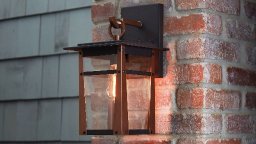
Arcitech Logistics provides professional outdoor lighting installation services throughout the Atlanta metro area, serving Gwinnett County, DeKalb County, Cobb County, Fulton County, and Forsyth County. Since 2015, our certified technicians have been transforming outdoor spaces with expertly installed landscape lighting, security lighting, and architectural accent lighting. We handle all types of exterior lighting installations, from low-voltage landscape systems to line-voltage security lighting, ensuring safe, weather-resistant installations that enhance your property's beauty, security, and functionality. Outdoor lighting serves multiple critical purposes: illuminating pathways for safety, highlighting architectural features and landscaping, providing security through motion-activated lighting, and extending usable hours of outdoor living spaces. Professional installation ensures proper wire burial depth, weatherproof connections, adequate transformer capacity, and strategic fixture placement for optimal lighting effects. Our team understands local building codes, electrical requirements, and landscaping considerations unique to the Atlanta climate.
Why Choose Arcitech Logistics
Certified Outdoor Electrical Expertise - Our technicians are trained in low-voltage and line-voltage outdoor electrical installations, understanding proper wire sizing, voltage drop calculations, waterproof connections, and local building codes specific to exterior lighting. | Proper Cable Burial Depth - We follow National Electrical Code requirements for underground cable installation - minimum 6 inches depth for low-voltage, 12-18 inches for line-voltage. Shallow burial leads to cable damage from lawn equipment or digging. | Weatherproof Connections - All wire connections use proper waterproof connectors designed for direct burial. We never use standard indoor wire nuts or inadequate connections that fail in wet conditions. | Correct Transformer Sizing - We calculate total wattage requirements and voltage drop to size transformers correctly. Undersized transformers overload and fail prematurely. | Professional Fixture Placement - We understand lighting effects, beam angles, and proper distances for different fixture types. Path lights need specific spacing; uplights require proper distance from trees. | Landscape Consideration - We minimize lawn and landscaping disturbance, carefully cut and replace sod, restore mulch beds, and leave your property looking better than we found it. | Long-Term Reliability - We install systems built to last, using properly sized wire, quality connectors, protected transformers, and durable fixtures. Our installations still perform years later.
Requirements
Think about outdoor lighting goals before consultation (security, ambiance, safety, accent) | Make note of problem areas (dark pathways, unlit entrances, security blind spots) | Consider which landscape features should be highlighted | Check existing outdoor outlets and locations | Note any underground utilities, irrigation lines, or invisible fence locations | Call 811 at least 3 business days before installation for utility locate | Mark any underground irrigation lines not on utility maps | Clear work areas of debris, toys, and movable items | Secure pets indoors during installation | Unlock gates for access to backyard | Ensure electrical power is available to outdoor outlets | Have sprinkler system shut off or schedule around watering times | All approved fixtures should be delivered before installation day | Verify fixture counts match installation plan | Inspect fixtures for shipping damage | Keep all instruction sheets and warranty cards
Services Provided
Landscape Lighting Systems - Complete low-voltage (12V) landscape lighting including transformer, underground wire, path lights, spot lights, and accent lights | Pathway and Walkway Lighting - Ground-level lights along walkways, driveways, and garden paths for safety and guidance | Spotlight and Accent Lighting - Uplighting for trees, architectural features, sculptures, and focal points | Floodlighting Installation - High-intensity security lighting for driveways, backyards, and building perimeters | Wall Sconce Installation - Decorative outdoor wall lights at entrances, garage doors, and along building facades | Post Light Installation - Freestanding post lights for driveways, mailboxes, and property boundaries | Deck and Patio Lighting - Integrated lighting for outdoor living spaces including post cap lights, rail lights, and step lights | Security Motion Sensor Lights - Motion-activated floodlights and spotlights for enhanced property security | Dusk-to-Dawn Lighting - Photocell-activated lights that automatically turn on at sunset and off at sunrise | String and Bistro Lighting - Decorative overhead lighting for patios, pergolas, and entertainment areas | Tree Uplighting - Dramatic lighting from ground level illuminating tree trunks and canopies | Architectural Lighting - Highlighting building features like columns, eaves, interesting textures, or unique architectural elements | Smart Outdoor Lighting - WiFi-controlled systems with app-based timers, dimming, and scene control | Solar Lighting Installation - Strategic placement and mounting of solar-powered landscape lights
What's Included
On-site consultation and lighting design assessment | Property walkthrough to identify lighting priorities and focal points | Wattage calculation and transformer sizing for system capacity | Written estimate with fixture list and labor breakdown | Pre-installation utility verification and marking | Transformer mounting and wiring to power source | Underground cable installation with proper burial depth (minimum 6 inches) | Fixture installation at all marked locations with proper aiming | Waterproof wire connections using direct-burial connectors | System programming including timer or photocell setup | Full system testing - all zones verified operational | Fixture aim adjustment for optimal lighting effects | Landscape restoration - sod replacement, mulch redistribution, cleanup | Customer education on system operation and maintenance | Wiring diagram and fixture location documentation | 90-day installation workmanship warranty
Specifications & Safety
Low-Voltage System Specifications: Operating Voltage: 12V AC from transformer | Transformer Sizes: 150W, 300W, 600W, 900W (sized to system requirements, max 80% capacity) | Wire Gauge: 12 AWG for runs over 100 feet or high-wattage loads; 14 AWG for shorter runs | Wire Type: Direct-burial rated low-voltage landscape wire | Burial Depth (Low-Voltage): Minimum 6 inches per NEC Article 411 | Fixture Connection: Quick-splice connectors or direct-burial wire nuts with silicone seal | Fixture Wattage: LED landscape lights typically 3-12W per fixture | Typical Path Light Spacing: 6-10 feet apart for even illumination | Typical Spotlight Distance: 3-10 feet from target depending on beam angle | Beam Angles: Narrow spot 12-15°, Wide spot 20-30°, Flood 40-60° | Color Temperature: Warm white 2700-3000K recommended for residential landscape | Lumens: Path lights 50-200 lumens; Spotlights 200-600 lumens; Floods 600-3000 lumens | Timer Settings: Most transformers support multiple programs, seasonal adjustment | Photocell Sensitivity: Auto-adjusts to ambient light levels at dusk and dawn | Line-Voltage System Specifications: Operating Voltage: 120V AC | Wire Type: THWN or direct-burial UF-B in conduit | Burial Depth: 18 inches in conduit, 24 inches without conduit (line-voltage) | GFCI Protection: Required on all outdoor receptacles per NEC Article 210 | Conduit: PVC Schedule 40 for underground, EMT for above-grade exposed runs | Fixture Rating: Wet or damp location UL listed fixtures required for outdoor installation | Weather Rating: IP65 or higher recommended for Georgia climate | Finish Materials: Brass, copper, or powder-coated aluminum for longevity
Additional Charges
Electrical Line-Voltage Circuit Installation - $350-$650: Installing new 120V electrical circuit from panel to transformer location or outdoor fixtures. Includes circuit breaker, wire run, junction boxes, and GFCI outlet installation. | GFCI Outlet Installation - $95-$145: Installing new GFCI-protected outdoor outlet for transformer power source. Required by code for outdoor receptacles. | Extensive Rock or Hard Soil Trenching - $85-$150 per zone: If soil conditions are extremely difficult (heavy clay, rocky, or compacted), trenching takes significantly longer. | Concrete or Paver Boring - $125-$225 per location: Running wire under driveways, sidewalks, or patios requires boring equipment to avoid breaking concrete. | Tree Mounting Hardware Installation - $45-$85 per tree: Installing downlights high in trees requires climbing equipment, tree-safe mounting hardware, and extra labor time. | Irrigation System Avoidance/Repair - $75-$175: If trenching encounters unmarked irrigation lines and repairs are needed, charged at time and materials. | Line-Voltage Outdoor Fixtures - $95-$175 per fixture: 120V outdoor fixtures require junction boxes, conduit, and line-voltage wiring. | Smart System Integration - $125-$250: Complete smart outdoor lighting setup including hub installation, app configuration, and scene programming. | Additional Transformer - $185-$350: If lighting design requires multiple transformers for different zones or exceeds single transformer capacity. | Conduit Protection - $4-$7 per linear foot: If wire must run in exposed locations requiring PVC conduit protection.
Our Professional Process
Step 1: Initial Consultation - On-site visit to assess property, walk with customer to identify lighting priorities, measure distances, evaluate terrain and landscaping features. Step 2: Design and Estimate - Create lighting layout drawing showing fixture locations, calculate wattage and transformer sizing, provide written estimate with fixture list and labor breakdown. Step 3: Utility Verification - Call 811 for underground utility locate, verify irrigation line locations, mark cable routing paths and fixture locations. Step 4: Transformer Installation - Mount transformer at optimal location (protected, accessible), wire to power source or GFCI outlet, set timer/photocell, test output voltage. Step 5: Cable Installation - Route and bury low-voltage wire along planned paths (minimum 6 inches depth), leave wire loops at fixture locations, connect runs to transformer terminals. Step 6: Fixture Installation - Install each fixture at marked location, connect with waterproof connectors, aim at designated target (path, tree, wall), verify secure connection. Step 7: System Testing - Turn on transformer, walk property verifying all fixtures illuminate, adjust aiming for optimal effect, test motion sensors, verify zones operate correctly. Step 8: Landscape Restoration - Backfill trenches, replace sod, redistribute mulch, rake disturbed areas, clean up all materials and debris. Step 9: Programming and Education - Program timer to customer preferences, demonstrate system operation, provide documentation, answer all questions. Step 10: Final Walkthrough - Walk property with customer at dusk to verify all fixtures look correct, make final adjustments, obtain customer approval.
Preparation
Before Consultation: Think about outdoor lighting goals (security, ambiance, safety, accent) | Make note of problem areas (dark pathways, unlit entrances, security blind spots) | Consider which landscape features should be highlighted | Review examples of outdoor lighting styles you like | Check existing outdoor outlets and locations | Note any underground utilities, irrigation, or invisible fence locations | Consider budget range for installation | Before Installation Day: Mark any underground irrigation lines not on utility maps | Call 811 at least 3 business days before installation for utility locate | Clear work areas of debris, toys, and movable items | Secure pets indoors during installation | Unlock gates for access to backyard | Ensure electrical power is available to outdoor outlets | Have sprinkler system shut off or schedule around watering times | Notify neighbors if trenching will occur near property lines | Be available for questions during installation | Fixture Requirements: All approved fixtures should be delivered before installation day | Verify fixture counts match installation plan | Inspect fixtures for shipping damage | Keep fixtures in boxes until installer arrives | Have bulbs available if not included with fixtures | Keep all instruction sheets and warranty cards | Have transformer and wire on-site if purchased separately
Testing & Quality Assurance
Transformer Output Voltage Test: Use multimeter to verify transformer outputs correct voltage (typically 12V AC for low-voltage systems). Test at terminal strips before connecting any fixtures. | Voltage Drop Test: Measure voltage at end of each cable run with fixtures connected. Should be within 10% of transformer output (10.8V-13.2V for 12V system). Excessive drop indicates wire too small or run too long. | Complete System Illumination Test: Power on transformer and override timer to force ON. Walk entire property verifying all fixtures illuminate. Mark any non-functioning fixtures for troubleshooting. | Motion Sensor Function Test: Walk through all detection zones of motion-activated security lights to verify proper activation. Test from multiple directions and distances. | Photocell Function Test: Verify dusk-to-dawn sensors activate at correct light levels. Cover sensor to simulate darkness and verify lights turn on; uncover to verify lights turn off. | Timer Programming Verification: Review timer settings against customer preferences. Verify correct on/off times, seasonal adjustment capability, and manual override function. | Smart System Connectivity Test: For WiFi-enabled systems, verify app connectivity, remote control function from smartphone, scheduling features, and voice assistant integration (Alexa/Google/Siri). | GFCI Protection Test: Test all GFCI outlets used for transformer power using GFCI test button. Verify outlet trips and resets properly. Verify GFCI outlet is functioning with lighting system connected. | Wire Connection Integrity Test: Gently tug each fixture wire connection to verify secure mechanical connection. Verify no corrosion or moisture in connections. | Fixture Aim Verification: Verify all spotlights and floodlights are aimed at intended targets. Walk property at night to confirm security lighting covers intended areas. | Zone Independence Test: For multi-zone systems, verify each zone operates independently by activating zones individually. | Landscape Restoration Inspection: Inspect all trenched areas to verify proper backfill, sod replacement, and mulch restoration. Verify no exposed wire sections.
Service Areas
Gwinnett County: Lawrenceville, Duluth, Norcross, Lilburn, Snellville, Grayson, Loganville, Dacula, Buford, Suwanee, Sugar Hill, Peachtree Corners, Berkeley Lake | DeKalb County: Decatur, Tucker, Stone Mountain, Clarkston, Avondale Estates, Chamblee, Doraville, Dunwoody, Brookhaven, Lithonia | Cobb County: Marietta, Smyrna, Kennesaw, Acworth, Austell, Powder Springs, Mableton, Vinings | Fulton County: Atlanta, Alpharetta, Roswell, Sandy Springs, Johns Creek, Milton, East Point, College Park, Fairburn, Union City | Forsyth County: Cumming | Additional Areas: Conyers, Covington, Monroe, Winder, Gainesville, Flowery Branch, Newnan, Douglasville, Villa Rica, Dallas, Hiram
Coverage Details
Gwinnett County: Lawrenceville, Duluth, Norcross, Lilburn, Snellville, Grayson, Loganville, Dacula, Buford, Suwanee, Sugar Hill, Peachtree Corners, Berkeley Lake, Rest Haven | DeKalb County: Decatur, Tucker, Stone Mountain, Clarkston, Avondale Estates, Chamblee, Doraville, Dunwoody, Brookhaven, Lithonia, Pine Lake, Stonecrest | Cobb County: Marietta, Smyrna, Kennesaw, Acworth, Austell, Powder Springs, Mableton, Fair Oaks, Vinings | Fulton County: Atlanta, Alpharetta, Roswell, Sandy Springs, Johns Creek, Milton, East Point, College Park, Fairburn, Hapeville, Mountain Park, Union City | Forsyth County: Cumming
Frequently Asked Questions
Q: What's the difference between low-voltage and line-voltage outdoor lighting? A: Low-voltage (12V) lighting uses a transformer to reduce 120V to safer 12V for landscape fixtures. It's most common for landscape and pathway lighting—safer installation, smaller decorative fixtures, less strict burial requirements (6 inches vs. 12-18 inches for line-voltage). Line-voltage (120V) runs on full household power, requires conduit, licensed electrician in most jurisdictions, and is used for security floods, wall sconces, and post lights. | Q: How many lights can I run on one transformer? A: Transformer capacity is measured in watts. Calculate total wattage by adding all fixture wattages. Don't exceed 80% of transformer capacity for reliability. A 300W transformer should power maximum 240W of fixtures. Also consider voltage drop on longer runs—use larger wire gauge (12 AWG), shorten runs, or add additional transformer for distant zones. | Q: Should I use LED bulbs in outdoor lighting? A: Yes. LEDs use 75-80% less power than halogen, last 25,000-50,000 hours (vs. 2,000-4,000 for halogen), run cooler, and maintain color consistency. Choose warm white (2700-3000K) for inviting outdoor atmosphere. | Q: How deep should low-voltage wire be buried? A: National Electrical Code requires minimum 6 inches for low-voltage landscape wire using direct-burial rated cable. We typically trench 6-8 inches for safety margin. Wire under driveways should be in PVC conduit regardless of depth. | Q: Can outdoor lighting be added to existing landscaping? A: Yes. We carefully hand-trench through lawns and beds, remove sod in sections, lay wire, backfill, and replace sod. Properly restored trenches are virtually invisible within 2-3 weeks with watering. | Q: How do I control when outdoor lights turn on and off? A: Options include timer-based transformers (program specific on/off times), photocell/dusk-to-dawn sensors (automatic based on light levels), smart WiFi controllers (app-based control from anywhere), or manual switches. | Q: Will outdoor LED lighting increase my electric bill significantly? A: Minimal impact. Example: 20 LED fixtures at 7W each running 5 hours nightly costs approximately $2.52/month at Atlanta rates. Even large systems with 40+ fixtures typically cost $5-8 monthly. | Q: Do outdoor lights need weatherproof GFCI outlets? A: Yes. NEC requires all outdoor receptacles be GFCI-protected. Low-voltage transformers plug into GFCI outlets; hardwired connections use weatherproof junction boxes. We ensure all connections meet code. | Q: Can I install outdoor lighting myself? A: Basic low-voltage is DIY-friendly, but professional installation offers design expertise, proper wire sizing, efficient trenching, code compliance, and reliable connections. Line-voltage (120V) requires licensed electrician in most jurisdictions. | Q: How long do outdoor fixtures last? A: Quality LED fixtures can last 10-20+ years. Brass and copper fixtures last longest. Premium brands like Kichler, VOLT, and FX Luminaire dramatically outlast budget fixtures that may fail in 1-3 years. | Q: Can outdoor lighting handle Atlanta's climate? A: Yes, when properly selected and installed. Quality fixtures rated for wet locations with proper gaskets, weatherproof sockets, and drainage holes perform reliably in Atlanta's hot humid summers and wet winters. | Q: Will landscape lighting attract bugs? A: LED lighting attracts far fewer bugs than older technologies. Insects are attracted to UV and heat—both minimal in LEDs. Use warm white LEDs (2700-3000K) and position fixtures away from entertaining areas to further minimize insects. | Q: Should outdoor lighting be winterized in Atlanta? A: Minimal winterization needed in Atlanta's moderate climate. Check fixtures after ice storms, ensure transformer covers are sealed, verify timer settings as days shorten, and clean fixtures before winter. Quality fixtures handle Atlanta winters without special preparation. | Q: Can outdoor lighting integrate with smart home systems? A: Yes. WiFi-enabled transformers, smart plugs, Z-Wave/Zigbee modules, and voice control (Alexa, Google, Siri) all allow integration. Create scenes like "Good Night" to turn off all outdoor lights automatically. | Q: How often should outdoor lighting be maintained? A: Annual inspection recommended—check bulbs, wire connections, fixtures, transformer, cable integrity, and fixture aims. We offer maintenance contracts for $150-$300 annually covering inspection, bulb replacement, and adjustments.
Service Areas
We provide Professional Outdoor Lighting Installation in Atlanta Metro Area throughout the Atlanta Metro area including:
Gwinnett County
Lawrenceville
Duluth
Suwanee
Buford
Norcross
Lilburn
Snellville
DeKalb County
Decatur
Dunwoody
Tucker
Stone Mountain
Chamblee
Brookhaven
Cobb County
Marietta
Smyrna
Kennesaw
Acworth
Powder Springs
Austell
Fulton County
Atlanta
Alpharetta
Sandy Springs
Roswell
Johns Creek
Milton
Forsyth County
Cumming
Suwanee
Contact Information
Ready to enhance your outdoor spaces with professionally installed landscape and exterior lighting? Contact Arcitech Logistics for expert outdoor lighting installation throughout the Atlanta metro area. Phone: (678) 656-9246 | Email: arcitechlogistics@gmail.com | Serving Gwinnett County, DeKalb County, Cobb County, Fulton County, and Forsyth County since 2015. Free design consultations and competitive quotes. Call now to schedule your outdoor lighting project!
Next Steps
1. Schedule Free Consultation: Call (678) 656-9246 or book online to arrange on-site assessment of your outdoor lighting needs and goals | 2. On-Site Property Assessment: Technician visits property to walk grounds with you, identify lighting priorities, measure distances, evaluate electrical access, and discuss your vision | 3. Receive Detailed Written Estimate: Get comprehensive quote including fixture list, labor breakdown, wire routing plan, and lighting layout drawing showing proposed fixture locations | 4. Approve Design and Order Fixtures: Review and approve estimate, select fixtures from recommendations, fixtures ordered (allow 3-7 days for delivery) | 5. Call 811 Utility Locate: Contact 811 at least 3 business days before installation to mark underground utilities. Customer marks irrigation lines not on utility maps | 6. Schedule Installation Day: Confirm installation appointment once fixtures arrive and utilities have been located | 7. Day Before Confirmation: We contact you to confirm appointment, review access needs, and remind you to secure pets and clear work areas | 8. Professional Installation: Our team arrives punctually and completes full installation including transformer mounting, cable trenching, fixture installation, and all connections | 9. System Testing and Programming: Complete system powered on, all fixtures verified, timer/photocell programmed to your preferences, smart system configured if applicable | 10. Customer Walkthrough: Walk property with technician for nighttime demonstration, learn how to adjust timer, override controls, aim fixtures, and replace bulbs | 11. Documentation Provided: Receive wiring diagram, fixture location map, transformer model information, and care instructions | 12. Landscape Restoration: Trenches backfilled, sod replaced and watered, mulch redistributed, property restored to pre-installation condition | 13. Follow-Up Check-In: We follow up within 1-2 weeks to ensure system is performing properly and answer any questions
Ready to Book?
Call or text us — we're available Mon–Sat, 8am–6pm.
Thank you for choosing Arcitech Logistics for your outdoor lighting installation! Professional outdoor lighting transforms your property's appearance, enhances security, improves safety, and extends usable hours of outdoor living spaces. Proper installation ensures years of reliable, beautiful illumination. Before installation: Think about your lighting goals and priorities | Mark any underground irrigation or utilities not on maps | Call 811 for utility locate (3 business days before installation) | Clear work areas and secure pets | Be available to discuss fixture placement during installation. During installation: We'll trench carefully to minimize landscape disturbance | Fixtures will be positioned for optimal lighting effects | All wire will be buried at proper depths with weatherproof connections | Transformer will be programmed to your preferences | Complete system testing ensures proper operation. After installation: Water sod immediately to encourage root contact | Avoid digging in areas where wire was buried | Keep transformer clear of sprinklers and debris | Replace bulbs with same wattage when needed | Contact us if any fixtures stop working. Questions before your consultation? Call us at (678) 656-9246. We look forward to illuminating your outdoor spaces with professional landscape lighting installation! Arcitech Logistics - Outdoor Lighting Experts Since 2015
Ready to Schedule Your Professional Outdoor Lighting Installation in Atlanta Metro Area?
Same-day service available across the Atlanta Metro area. Licensed & insured — satisfaction guaranteed.